Expressive Art therapy to Create to Feel, Heal, and Grow
Expressive Arts Therapy combines visual art, music, movement, writing, and drama to help clients access emotions, resolve trauma, and build self-understanding. It promotes psychological healing through the process—not the product—of creative expression.
What Is Expressive Arts Therapy and How Does It Work?
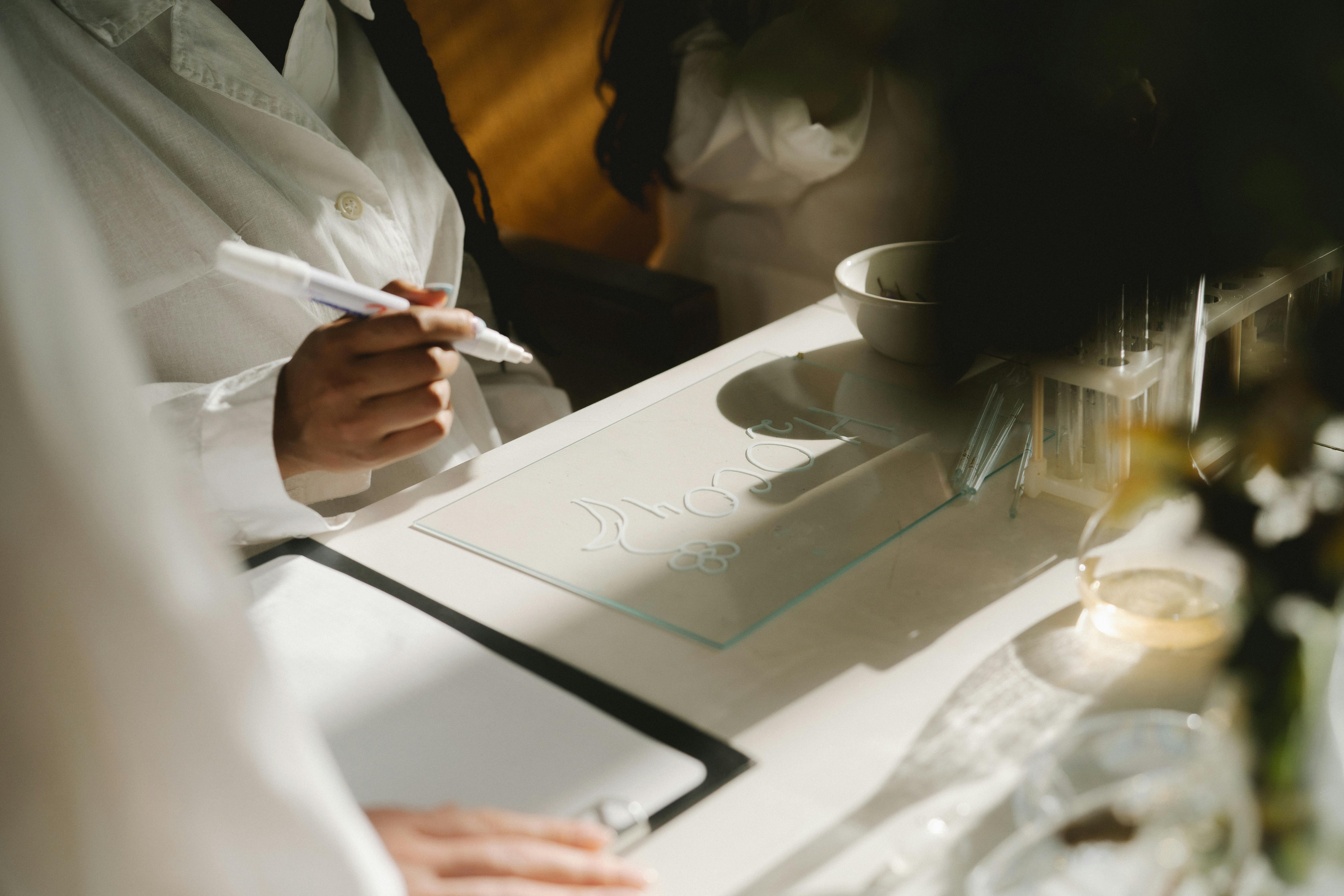
Expressive Arts Therapy integrates multiple creative modalities to help clients access feelings that may be difficult to verbalize. This non-linear, intuitive approach promotes healing by engaging imagination, metaphor, and sensory experience.
Key Benefits
Bypasses Verbal Defenses
Creative processes allow unconscious or hard-to-express emotions to surface safely.
Enhances Emotional Regulation
Movement, sound, and imagery help release emotional tension and restore calm.
Fosters Self-Discovery
Expressive mediums support exploration of identity, grief, and trauma.
Accessible to All Ages and Abilities
No art training required—just openness to the process.
Treatment Goals
Support Emotional Processing Without Pressure
Provide nonverbal options for expressing grief, fear, anger, or joy.
Strengthen Mind-Body Connection
Use movement and sensory experience to reconnect with the body after stress or trauma.
Encourage Creative Problem Solving
Shift fixed mental patterns by engaging with metaphor, color, and sound.
Build Confidence in Self-Expression
Help clients develop trust in their internal world and expressive voice.

Expressive Arts Therapy for Trauma, Identity, and Emotional Flow
Expressive Arts Therapy is a multimodal approach that encourages healing through creation. Rooted in humanistic and psychodynamic traditions, it helps clients engage the imagination to safely explore emotional material that talk therapy may not access.
Establish Safety and Creative Comfort
Introduce clients to art materials and creative forms in a nonjudgmental setting.
Choose Modalities Based on Present Emotion
Clients may paint, draw, sculpt, write, move, or play instruments depending on what feels natural.
Create Without Censorship
Focus on expression, not skill—allowing emotional truth to emerge through shape, sound, or story.
Reflect with the Therapist
Explore what was created and how it relates to the client’s inner experience.
Integrate Insights Across Sessions
Recognize emotional shifts and link creative symbols to real-life healing and goals.

Paint Your Mood
Use abstract painting to express current internal states visually.
Movement Journaling
Dance or gesture followed by written reflection to access body-based emotions.
Sound and Silence Dialogues
Alternate music-making with silence to regulate the nervous system.
Art-and-Story Sequence
Create a symbolic image and write a short narrative that brings meaning to it.

Testimonials
100+ Google reviews with an average 4.8★ rating